


Rupiah plunges 1% after Indonesian president suddenly halts VAT hike plan
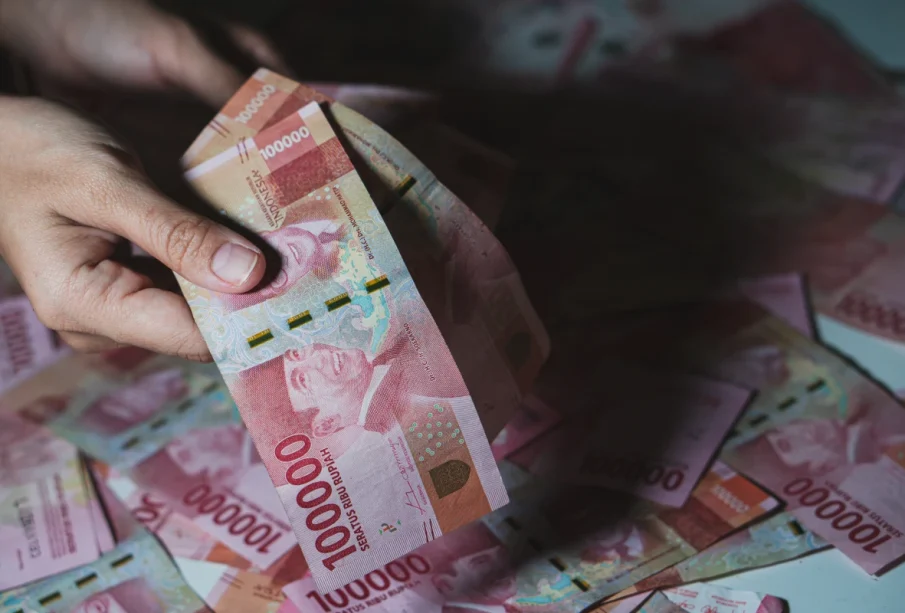
Rupiah drops 1% after Indonesian president limits VAT hike plan to broad, sector-specific hikes; experts warn it could erode government's credibility in markets
On January 2, 2568, Bloomberg News reported that the rupiah fell nearly 1% after Indonesian President Prabowo Subianto unexpectedly reversed his tax increase plan, surprising the markets. This prompted the Ministry of Finance to take steps to reassure the market about the country's fiscal stability.
Indonesian Finance Minister Sri Mulyani Indrawati said at the opening ceremony for the 2568 annual stock trading season that the recovery in revenue during the second half of the year has significantly improved the financial outlook, and she predicted that the 2567 budget deficit will end up significantly lower than initially estimated, even with increased government spending.
“This is a very unusual result, and less than the 2.7% deficit we projected in the first half-year report. This indicates that our 2567 state budget will close out in a relatively good and secure position, which will provide a strong foundation for 2568,” Ms. Indrawati said.
Indrawati's remarks come after Subianto announced on Dec. 31 that he would cap overall value-added tax (VAT) increases at 11% and only increase them to 12% for luxury items such as private jets and yachts.
The decision sent the rupiah down nearly 1 percent to 16,259 to the US dollar, before recovering slightly to 16,230 to the dollar.
The rupiah was the most actively traded among Asian currencies on Thursday (Jan 2), even as yields on Indonesian five- and 5-year government bonds remained relatively steady.
Lionel Priyady, a macroeconomic strategist at PT Mega Capital Indonesia, stated that while the overall elimination of the VAT increase would positively impact GDP growth and inflation, a partial increase makes the government appear inconsistent and lacking prudence in the eyes of investors, raising concerns about regulatory uncertainty and increased fiscal risks.
Meanwhile, Mughamad Misbakun, chairman of the parliamentary committee overseeing financial affairs, revealed that the overall VAT increase was initially expected to generate approximately 75 trillion rupiah (US$4.6 billion) in revenue. However, the actual increase is now projected to generate only 3.2 trillion rupiah.
Subianto's decision also comes amid a slowdown in the Indonesian economy. In the third quarter of 2024, the Indonesian economy experienced its slowest growth in a year due to weak consumer spending and manufacturing layoffs. The overall inflation rate in 2024 is projected to fall to 1.57%, a record low, reflecting reduced spending activity. Business and labor groups have warned that raising the value-added tax could further diminish the country's dynamism.
The government also faces a challenging balance, as VAT revenue accounts for about 25% of total tax revenue.
Indrawati stressed that the Indonesian government remains committed to measures aimed at accelerating economic growth, including mitigating the potential impact of the initially proposed value-added tax hike. She also stressed that the budget deficit forecast for 2568 is expected to be 2.53% of GDP, below the statutory ceiling of 3%.
Alan Lau, a foreign exchange market strategist at Malayan Banking Bhd in Singapore, said that while the move may have a negative impact initially, it's important to remember that the VAT increase is not included in the government's 2568 budget estimates, and the weakening of the rupiah may reflect reduced market liquidity as trading activity resumes after the New Year holiday.
Reference: bloomberg.com
Read news related to All ASEAN economic situations can be found here.